A digital football museum is not just a repository of sporting statistics; it is a graveyard and a memorial for the local economy. Tucked away at the top of page 12 is a modest, colorful advertisement for Schilder Jordan van Dijken, a painting business based in the small village of Noordlaren, just south of Groningen.
The ad features a vibrant fan of paint swatches, a classic visual trope for decorators, alongside a simple address on the Steegakkers, a phone number, and an email. In 2013, small-scale craftsmen—painters, carpenters, and plumbers—were the lifeblood of regional football clubs. They might not have afforded massive stadium naming rights, but they bought the quarter-page ads, sponsored the youth kits, and formed the loyal backbone of the club’s commercial ecosystem.
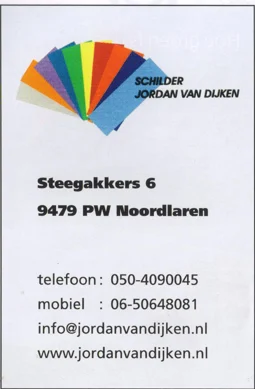
What makes this specific advertisement poignant is the passage of time. Today, this painting business no longer exists. The matchday programme, therefore, serves an unexpected historical purpose: it acts as a permanent archive for a local tradesman’s hard work.
A Look into the Future
Looking back from 2026, the disappearance of small, independent craftsmen is a common theme in the modern European economy, often due to retirement, economic shifts, or the rise of larger contracting conglomerates. When we digitize these old programmes, we do more than preserve football history; we ensure that the names of local entrepreneurs, like the painter from Noordlaren who once proudly supported his local club, are not entirely erased by time.