If you want to understand the true, unvarnished culture of Dutch football, you don’t look at the VIP menus in the skyboxes; you look at what the fans are eating on their way home. On page 38 of the May 2014 matchday programme, a small, bright yellow advertisement captures the absolute essence of this culinary tradition. It is an ad for Slagerij Boersema, a local butcher shop.
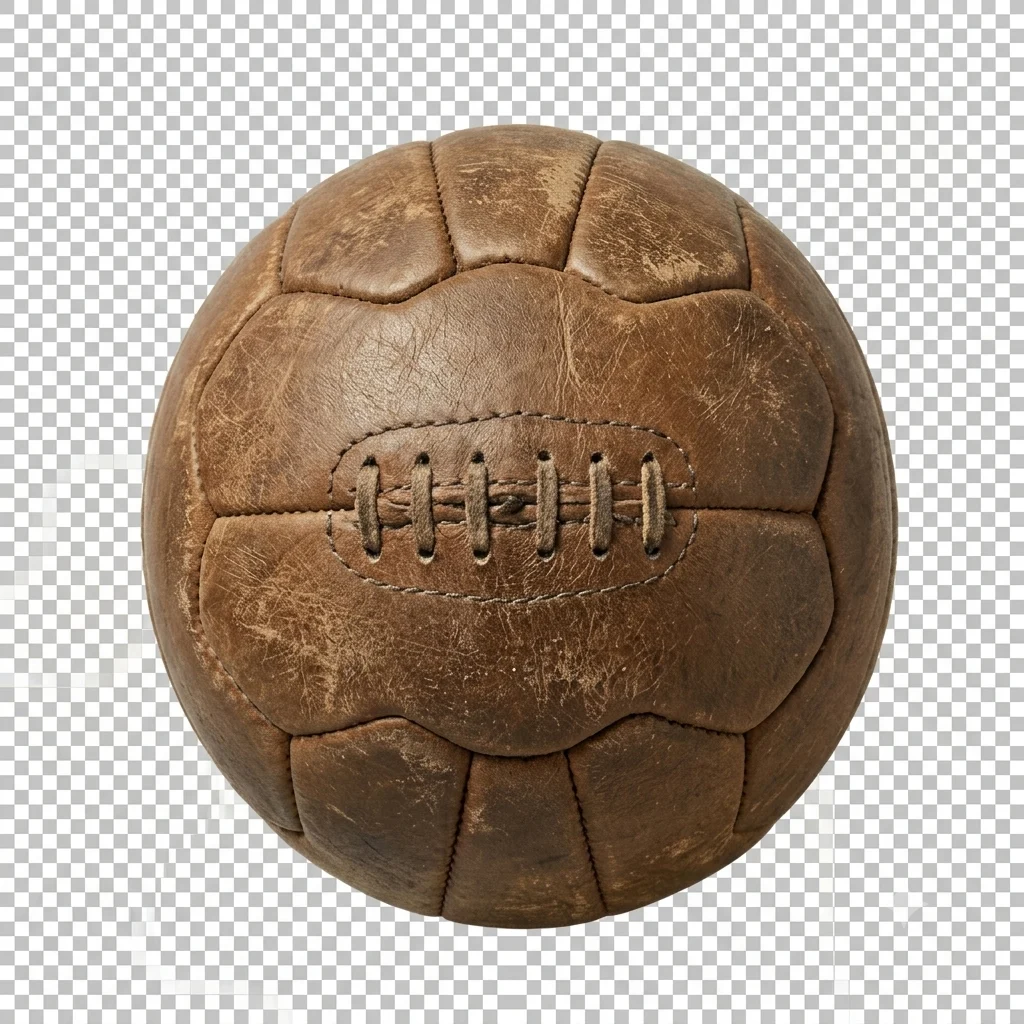
The slogan is a masterpiece of targeted marketing: “VOOR DE LEKKERSTE BAL NA DE WEDSTRIJD gaat u naar SLAGERIJ BOERSEMA” (For the tastiest ball after the match, you go to Butcher Boersema). In Dutch football culture, the gehaktbal (a large, hearty meatball, usually served with mustard) is a sacred institution. It is the default fuel for amateur players on Sunday mornings and the ultimate comfort food for professional fans after a freezing evening at the Euroborg.
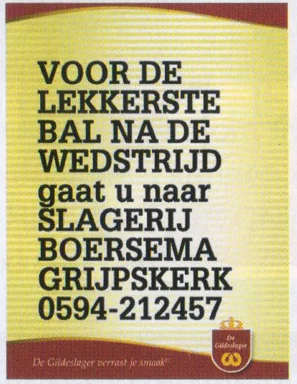
What makes this advertisement even more culturally significant is the location of the butcher: Grijpskerk. This is a village located about 20 kilometers west of the city of Groningen. A village butcher buying ad space in an Eredivisie club’s magazine is a beautiful reminder of the club’s regional pull. It implies a familiar ritual: fans from the Westerkwartier municipality driving back from the stadium after a victory, pulling over in Grijpskerk, and celebrating with a hot, perfectly spiced meatball from their local butcher.
A Look into the Future
The traditional, independent village butcher is an institution that has faced immense pressure from massive supermarket chains and changing dietary habits over the last decade. Yet, the cultural power of the “football meatball” remains absolutely indestructible in the Netherlands. By 2026, while stadium catering has modernized to include vegan options and gourmet burgers, the classic gehaktbal remains the undisputed king of the terraces. Advertisements like this one from Slagerij Boersema are nostalgic reminders of the local artisans who have fueled the green-and-white army for generations.