
Context is everything when analyzing historical advertising. On page 15 of the FC Groningen matchday programme, nestled among ads for cleaning services and administrative bureaus, is a bright, cheerful advertisement for Bloemenshop van der Laan.
At first glance, a flower shop advertising in a gritty football magazine might seem out of place. But look at the date of the match: February 16, 2014. This booklet was printed and distributed exactly two days after Valentine’s Day. For the thousands of predominantly male fans sitting in the Euroborg, this ad served as either a reminder of a job well done, or a desperate, last-minute solution for a forgotten holiday.
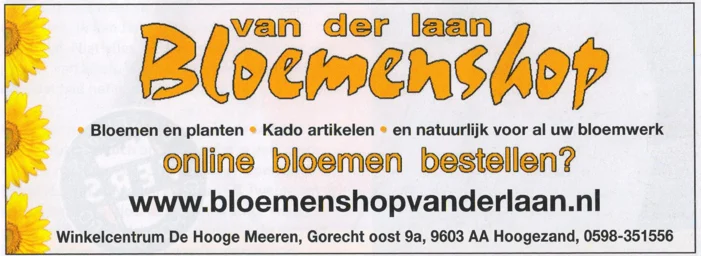
Furthermore, the ad is a perfect snapshot of local retail transitioning into the digital age. Located in the De Hooge Meeren shopping center in Hoogezand—a major commuter town just outside Groningen—the shop prominently advertises its new capability: “online bloemen bestellen?” (order flowers online?). In 2014, traditional brick-and-mortar florists were fighting hard against massive national e-commerce flower delivery networks. By advertising their own webshop in the regional football programme, this local Hoogezand business was telling the fans: you can have the convenience of the internet while still supporting a local northern business.
A Look into the Future
The push toward e-commerce advertised here became the absolute lifeline for local retail in the years that followed, especially during the global disruptions of the 2020s. Florists who failed to adapt to online ordering largely disappeared from the high streets. However, businesses that successfully merged their physical craft with digital convenience managed to survive and thrive. Today, this 2014 advertisement stands as a charming reminder of the era when local shops first began to seriously stake their claim on the internet, using the local football club as their primary billboard.